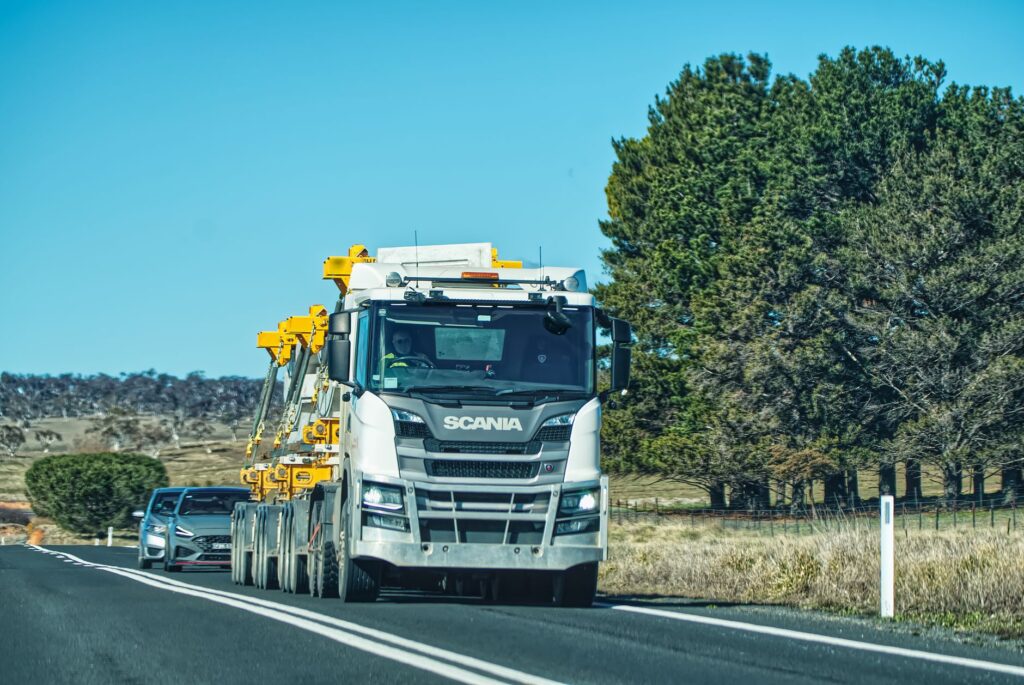
Cross-country auto transport is different from a short regional move because the vehicle may remain on the carrier for several days and travel through multiple states, traffic conditions, weather systems, and carrier service areas. On longer routes, rising diesel prices can add pressure to carrier operating costs, although fuel is only one part of the final quote.
If you are trying to estimate the cost to ship a car cross-country, the best approach is to start with distance and transport type, then adjust your expectations based on the vehicle, exact locations, timing, and carrier availability.
Cross-Country Car Shipping Cost at a Glance
For planning purposes, shipments over 1,500 miles generally fall into our long-distance planning band:
| Transport Type | Planning Range | Best For |
|---|---|---|
| Open Transport | $0.40–$0.65 per mile | Daily drivers and standard vehicles |
| Enclosed Transport | $0.65–$1.15 per mile | Classic, exotic, luxury, restored, or high-value vehicles |
These figures are intended for budgeting and route comparison. They are not national averages, live carrier rates, or guaranteed booking prices.
For a broader breakdown of pricing across shorter and longer distances, see our car shipping cost by distance guide.
How Distance Affects Cross-Country Car Shipping Cost
A cross-country shipment is usually considered a long-distance move, often covering well over 1,500 miles.
Longer trips typically cost more overall, but the estimated cost per mile often decreases as distance increases. That happens because pickup, loading, dispatch, and delivery effort are distributed across more miles.
Distance alone does not determine the final quote, however. Two 2,000-mile shipments can price differently if one route has better carrier availability or easier pickup and delivery access.
For a more detailed explanation, see car shipping cost per mile.
Open vs. Enclosed Transport for Cross-Country Shipping
Open Auto Transport
Open auto transport is the most common option for cross-country vehicle shipping. It generally has greater carrier availability and a lower planning range than enclosed service.
It is typically appropriate for daily drivers, standard sedans, SUVs, pickups, and other vehicles that do not require additional protection from direct weather and road exposure.
Enclosed Auto Transport
Enclosed auto transport provides additional protection from weather and road exposure. It is often considered for classic, exotic, luxury, restored, or other high-value vehicles.
Because enclosed trailers generally carry fewer vehicles and use specialized equipment, their planning range is higher than open transport.
Vehicle Size and Condition Can Change the Quote
Cross-country pricing also depends on how much trailer capacity the vehicle uses.
A compact sedan and a large SUV, lifted truck, van, or modified vehicle do not occupy the same amount of space or weight capacity. Larger vehicles can therefore receive a higher quote even when traveling the same route.
Vehicle condition matters as well. If the vehicle does not start, steer, brake, or roll normally, the carrier may need additional loading equipment or handling.
If your vehicle is not running normally, review our inoperable vehicle shipping service.
Route-specific planning
Planning to Ship a Vehicle?
Get a vehicle shipping quote based on your route, vehicle, and workable dates.
Get My Quote
Why the Exact Cross-Country Route Matters
Cross-country does not describe one single route. A vehicle moving between large metropolitan areas may fit carrier schedules differently than a vehicle moving between remote or difficult-to-access locations.
The quote can be affected by:
- Pickup and delivery accessibility
- Distance from common carrier corridors
- Available carrier capacity
- Vehicle size and loading requirements
- Requested pickup timing
- Open or enclosed transport
This is why state names alone are useful for early planning, while the exact addresses become important when preparing a more specific quote.
How Long Does Cross-Country Car Shipping Take?
For planning purposes, routes over 1,500 miles commonly use an approximate 4–7 day transit planning range.
This refers to transit planning after the vehicle is picked up, not a guaranteed delivery commitment. Actual timing can be affected by route length, scheduled stops, traffic, weather, loading conditions, hours-of-service requirements, and other operational factors.
Pickup timing and transit timing should be treated separately. A carrier must first be matched to the shipment before the vehicle begins its cross-country transit.
Pickup and Delivery Access
Large auto transport carriers need enough space to load, unload, turn, and operate safely.
If the requested pickup or delivery address has narrow streets, low trees, weight restrictions, steep access, gated entry, or other limitations, the driver may coordinate a nearby accessible meeting location.
That does not change the shipment into terminal transport. It is still a door-to-door style shipment in which the carrier gets as close to the requested locations as safely and legally practical.
How to Estimate a Cross-Country Route
You can use our car shipping cost calculator to compare a state-to-state route and see an approximate distance, planning rate range, estimated total, and transit planning range.
The calculator is intended for budgeting. An exact quote requires shipment-specific information such as the actual vehicle, locations, condition, transport type, and dates.
What Can Make a Cross-Country Quote Higher or Lower?
Several shipment details can move the final quote away from a simple mileage estimate:
- Vehicle size: Larger vehicles use more carrier capacity.
- Vehicle condition: Inoperable vehicles may require additional loading equipment.
- Transport type: Enclosed transport has a higher planning range than open transport.
- Location access: Difficult or remote locations can affect carrier routing.
- Timing: Available carrier capacity can vary by route and date.
- Modifications: Lift kits, oversized tires, low ground clearance, roof equipment, and other changes can affect loading.
For a deeper explanation of these variables, read why car shipping prices vary.
How to Compare Cross-Country Car Shipping Quotes
When comparing quotes, make sure each estimate is based on the same shipment details.
Confirm that the vehicle, locations, transport type, condition, and requested dates are consistent between quotes. Otherwise, two prices may appear different simply because they describe different services.
Before pickup, confirm the applicable motor carrier cargo coverage and its terms. The vehicle condition should be documented on the Bill of Lading at pickup and reviewed again at delivery.
How to Prepare for a Cross-Country Vehicle Shipment
Before pickup:
- Confirm the vehicle starts, steers, brakes, and rolls as described.
- Remove loose personal belongings unless specifically permitted under the shipment terms.
- Photograph the vehicle from multiple angles.
- Check for existing scratches, dents, or visible damage.
- Make sure the pickup contact is available during the scheduled window.
- Confirm any vehicle modifications that may affect loading.
At pickup, review the Bill of Lading and vehicle condition record before the carrier departs.
Cross-Country Cost vs. a General Car Shipping Estimate
Our main car shipping cost guide explains the overall pricing model across short, medium, and long distances.
This page focuses specifically on the long-distance variables that matter more on cross-country moves: route length, multi-day transit planning, carrier capacity, exact corridor, and vehicle requirements.
Frequently Asked Questions
How much does it cost to ship a car cross-country?
The exact price depends on the route, vehicle, transport method, timing, access, and carrier availability. For trips over 1,500 miles, our planning bands are approximately $0.40–$0.65 per mile for open transport and $0.65–$1.15 per mile for enclosed transport.
How long does cross-country car shipping take?
For planning purposes, routes over 1,500 miles commonly use an approximate 4–7 day transit range after pickup. This is an estimate, not a guaranteed delivery window.
Is open transport cheaper than enclosed transport?
Open transport generally has a lower planning range and greater carrier availability. Enclosed transport uses specialized equipment and usually carries fewer vehicles.
Does a larger SUV or truck cost more to ship cross-country?
It can. Larger vehicles use more trailer capacity and may require different placement or loading considerations than a standard sedan.
Does an inoperable vehicle cost more to ship?
It may. A vehicle that cannot start, steer, brake, or roll normally can require additional loading equipment or handling.
Can I get a cross-country estimate before requesting a quote?
Yes. Use our car shipping cost calculator for a planning estimate, then submit the actual vehicle, locations, and dates through our quote request for a more specific evaluation.