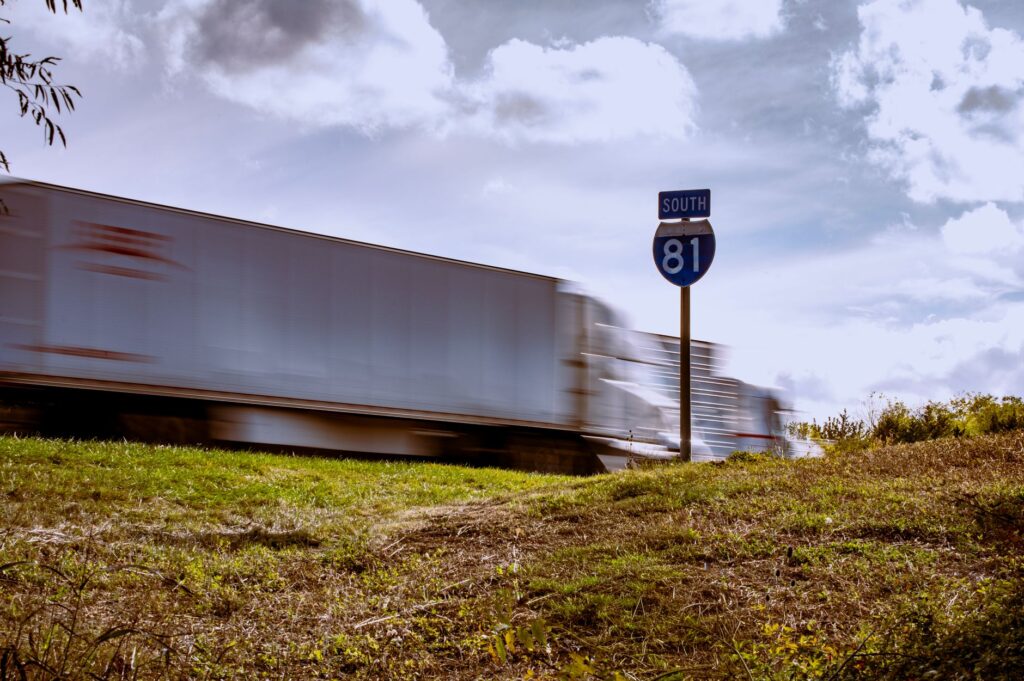
Moving a vehicle across the entire continent is a massive undertaking that requires careful planning and a reliable logistics partner. Whether you are relocating for a new job, moving closer to family, or purchasing a classic car from a distant seller, understanding the nuances of east coast to west coast car shipping is the first step in ensuring a stress-free experience.
Understanding the Logistics of Cross-Country Transport
Shipping a car from one coast to the other is not as simple as a local tow; it is a complex logistical operation involving thousands of miles of highway, multiple state regulations, and various carrier types. Most nationwide shipments are handled by a broker or a carrier who specializes in long-haul logistics.
The Door-to-Door Model
For most customers, the most convenient option is door-to-door service. In this model, the carrier picks up the vehicle as close to your residence or business as safely possible and delivers it to a similar location at the destination. Because large car haulers cannot navigate narrow residential streets or cul-de-sacs, drivers typically utilize designated meeting points, such as large parking lots or shopping centers, to ensure a safe and efficient loading process.
Terminal-to-Terminal Shipping
While less common for individual consumers, terminal-to-terminal shipping involves dropping your vehicle off at a central hub. The carrier then transports the vehicle to a similar hub on the opposite coast, where you must pick it up. While this can sometimes offer a slight cost reduction, it removes the convenience of home delivery and requires the customer to arrange their own local transportation to and from the terminals.
Open vs. Enclosed Transport: Which is Right for You?
When planning your east coast to west coast car shipping, the most critical decision you will make is choosing between open and enclosed transport. Each method serves a different set of priorities regarding budget, security, and vehicle value.
Open Auto Transport
Open transport is the most common method used for nationwide shipping. These are the large, multi-car carriers seen on the interstate. The vehicles are exposed to the elements, meaning they are subject to wind, rain, and road debris during the journey.
- Pros: More cost-effective, faster availability of carriers, and the industry standard for daily drivers.
- Cons: Exposure to weather and road debris.
Enclosed Auto Transport
Enclosed transport utilizes a trailer that is completely sealed, protecting the vehicle from the environment. This is the preferred choice for luxury cars, vintage models, convertibles, or any vehicle with low ground clearance.
- Pros: Maximum protection from weather, road salt, and debris; higher level of security.
- Cons: Higher cost due to limited space and specialized equipment.
Route-specific planning
Planning to Ship a Vehicle?
Get a vehicle shipping quote based on your route, vehicle, and workable dates.
Get My Quote
Estimating Costs and Transit Windows
Because the distance from the East Coast to the West Coast can range from 2,500 to 3,000 miles, costs and timelines are significantly higher than regional moves. Several variables influence the final price of coast to coast car shipping.
Factors That Influence Pricing
You will find that quotes vary based on several dynamic factors. Rather than a flat fee, companies calculate costs based on the following:
- Vehicle Size: Larger vehicles (like SUVs or heavy-duty trucks) take up more room on the trailer and often weigh more, which increases the cost.
- Transport Type: As mentioned, enclosed shipping is more expensive than open shipping.
- Seasonality: Demand spikes during the summer months when many people relocate, often leading to higher prices and tighter carrier availability.
- Fuel Prices: Since fuel is the primary overhead for carriers, fluctuations in national diesel prices can impact the final quote.
Expected Transit Times
A cross-country trip is a marathon, not a sprint. On average, shipping a car from the East Coast to the West Coast takes between 7 to 14 days. This window can vary based on the carrier’s route, the number of other pickups and drop-offs scheduled along the way, and potential weather delays in the Midwest or Mountain regions.
The Importance of the Bill of Lading (BOL) and Inspections
One of the most overlooked but vital parts of the shipping process is the vehicle inspection. This process protects both the owner and the transport company by establishing the exact condition of the vehicle at the moment of transfer.
The Pickup Inspection
When the driver arrives, they will perform a thorough walkthrough of the vehicle. They will note any existing scratches, dents, or interior wear on a document called the Bill of Lading (BOL). It is crucial that you are present for this or provide detailed instructions, as the BOL serves as the legal record of the car’s condition before it enters the transport system.
The Delivery Inspection
Upon arrival at the West Coast destination, you must perform a second inspection before signing the BOL. Compare the vehicle’s current state to the notes made during pickup. If any new damage has occurred during transit, it must be documented on the BOL immediately to initiate an insurance claim. Once the document is signed and the driver departs, it becomes significantly harder to prove that damage occurred during transport.
Preparing Your Vehicle for a Long-Haul Journey
To ensure a smooth experience and avoid any unexpected fees or delays, follow these preparation steps before your vehicle is loaded onto the carrier.
Cleaning and Personal Items
While it is not mandatory to have a showroom-clean car, washing your vehicle makes it much easier to spot existing damage during the inspection. More importantly, remove all personal belongings. Most carriers will not take responsibility for items left inside the vehicle, and excessive weight can sometimes lead to additional charges.
Fuel Levels and Maintenance
It is recommended to keep your gas tank about one-quarter full. This provides enough fuel for the driver to move the car on and off the trailer, but prevents the vehicle from being unnecessarily heavy. Additionally, ensure your tires are properly inflated and that there are no leaks that could cause a safety hazard during transport.
Documentation
Ensure that the title and registration are current. You should also have a copy of the insurance policy available. The driver will need to verify ownership and ensure the vehicle is legally cleared for transport across state lines.
Why Choose SpeedyWay Auto Transport?
Navigating the complexities of nationwide logistics requires a partner with a proven track record of reliability. SpeedyWay Auto Transport specializes in seamless, coast-to-coast movements, ensuring that your vehicle arrives safely regardless of the distance.
We pride ourselves on providing a transparent and professional experience. Our services include both nationwide open and enclosed car shipping, tailored to the specific needs of your vehicle. Whether you are shipping a reliable family sedan or a high-value exotic, we provide convenient door-to-door pickup and delivery to minimize your stress.
Our commitment to quality is reflected in our reputation, as we are 5.0-star rated by 390+ verified customers. We believe that shipping a vehicle should be straightforward, which is why we offer a streamlined process designed to get your car where it needs to be without the headache of hidden fees or confusing contracts.
Ready to move your vehicle across the country? Visit our free quote page to receive an instant, no-obligation estimate and start your journey with confidence.
Frequently Asked Questions
How much does it cost to ship a car from the East Coast to the West Coast?
Costs typically range from several hundred to several thousand dollars depending on the vehicle size and transport method. Pricing varies based on current fuel costs, the specific distance between zip codes, and whether you choose open or enclosed transport.
How long does shipping a car across the country usually take?
Cross-country transport generally takes between 7 to 14 days. This timeframe includes both the initial pickup window and the actual transit time across the various states.
Should I choose open or enclosed transport for a coast-to-coast move?
Open transport is the most common and affordable option, while enclosed transport is recommended for luxury, vintage, or high-value vehicles. Enclosed carriers protect your car from weather and road debris during the long-haul journey.
Can I ship my car with personal items inside?
Most carriers allow a limited amount of personal belongings in the trunk or interior, typically up to 100 pounds. However, you must check with your specific carrier first, as some may prohibit personal items for insurance and weight reasons.
Get a Free Car Shipping Quote
Ready to move your vehicle with SpeedyWay Auto Transport? We offer nationwide open & enclosed auto transport, door-to-door and we are 5.0-star rated (390+ reviews). Get a free, no-obligation quote in minutes — your free quote is instant and comes with zero obligation.
Related Guides from SpeedyWay Auto Transport
- How Much Does It Cost to Ship a Car? (2026 Price Guide)
- How Long Does It Take to Ship a Car? Transit Times by Distance
- Open vs Enclosed Auto Transport: Which Should You Choose?
- How Much Does It Cost to Ship a Car Cross-Country?