Choosing between open vs. enclosed auto transport is mainly a decision about equipment, protection, availability, and price.
Both methods can move vehicles across short or long distances. The important difference is that open transport carries the vehicle on an exposed trailer, while enclosed transport carries it inside a covered trailer.
Open vs. Enclosed Auto Transport at a Glance
| Factor | Open Transport | Enclosed Transport |
|---|---|---|
| Trailer | Open to the outside environment | Covered trailer |
| Planning cost | Generally lower | Generally higher |
| Weather and road exposure | Direct exposure | Additional protection from direct exposure |
| Availability | Can have broader availability on many routes | More specialized capacity |
| Typical fit | Daily drivers and standard vehicles | Classic, luxury, exotic, restored, or high-value vehicles |
| Long-distance use | Suitable | Suitable when additional protection is a priority |
What Is Open Auto Transport?
Open auto transport moves vehicles on a trailer that is open to the outside environment.
It is widely used for standard sedans, SUVs, pickups, dealer vehicles, and everyday cars.
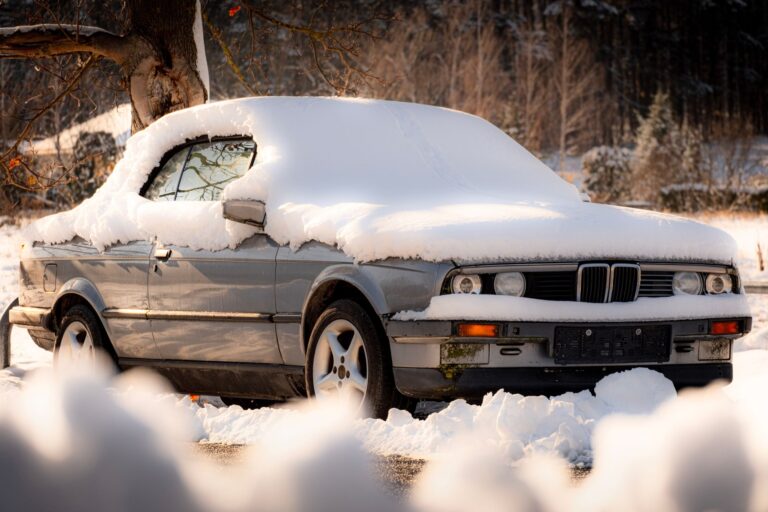
Because the trailer is open, the vehicle can be exposed to rain, dust, insects, and normal road conditions during transport.
Advantages of Open Transport
- Generally lower planning cost than enclosed transport
- Broad availability on many vehicle shipping routes
- Suitable for most standard passenger vehicles
- Available for both short- and long-distance transport
Trade-Offs of Open Transport
- The vehicle remains exposed to direct weather and road conditions.
- Owners of highly valuable or cosmetically sensitive vehicles may prefer additional protection.
- Carrier access still depends on the size of the transport equipment and the pickup location.
What Is Enclosed Auto Transport?
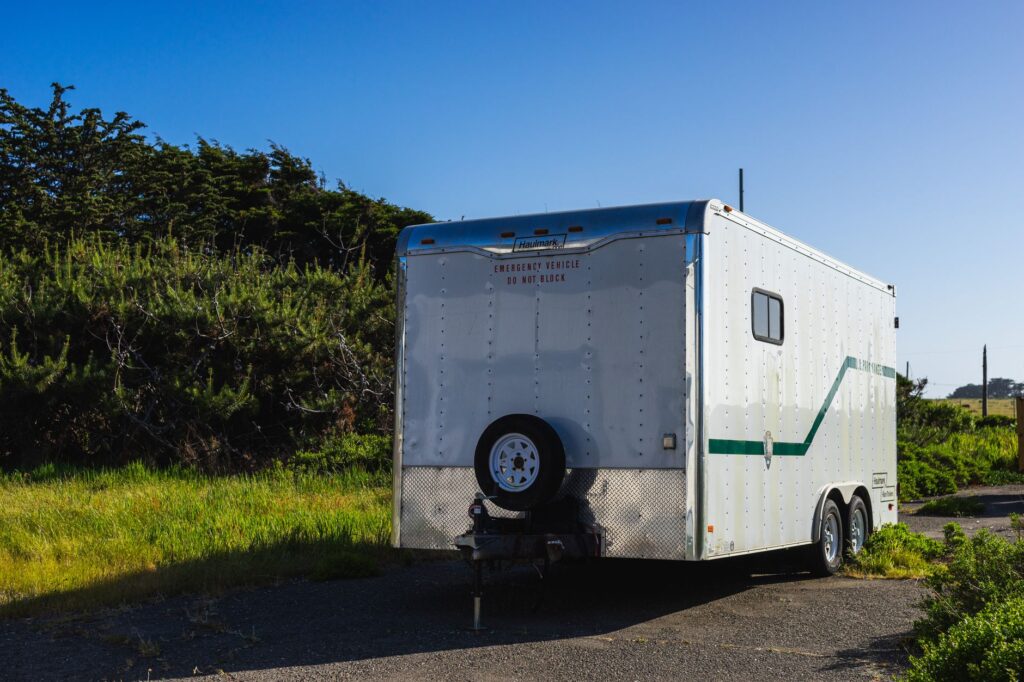
Enclosed auto transport carries the vehicle inside a covered trailer.
This reduces direct exposure to weather, road spray, dust, and debris encountered during normal highway travel.
Enclosed transport is commonly considered when the vehicle’s condition, value, rarity, customization, or owner preference makes additional protection important.
Vehicles That May Be Good Candidates for Enclosed Transport
- Classic and collector cars
- Luxury or exotic vehicles
- Restored vehicles
- Show cars
- Vehicles with custom paint or bodywork
- Low-clearance or specialized vehicles that need particular loading considerations
Exact equipment varies between carriers. If the vehicle has unusually low clearance or other special requirements, disclose that before booking rather than assuming every enclosed trailer uses the same loading system.
How Much More Does Enclosed Transport Cost?
Enclosed transport generally uses a higher planning rate than open transport.
However, there is no single percentage premium that applies to every shipment.
The difference can depend on:
- Distance
- Route
- Vehicle dimensions
- Carrier availability
- Requested dates
- Specific equipment requirements
For current planning ranges by distance, see our car shipping cost per mile guide or use the car shipping cost calculator.
Which Provides More Protection?
Enclosed transport provides additional protection from direct weather and road exposure because the vehicle travels inside a covered trailer.
That does not mean enclosed transport eliminates every possible transport risk.
Regardless of transport type, document the vehicle’s condition before pickup and review the condition again at delivery.
Use our vehicle preparation checklist before the carrier arrives.
Route-specific planning
Planning to Ship a Vehicle?
Get a vehicle shipping quote based on your route, vehicle, and workable dates.
Get My Quote
Open vs. Enclosed for Long-Distance Moves
Both open and enclosed transport can be used for long-distance and cross-country vehicle shipping.
For a normal daily driver, open transport may provide the better balance between cost and protection.
For a valuable, rare, restored, or cosmetically sensitive vehicle, the additional protection of enclosed transport may become more important as the vehicle spends more time in transit.
The distance alone does not automatically make enclosed transport necessary. Instead, evaluate the value and condition of the vehicle, your budget, your tolerance for direct road exposure, and the available carrier options.
If you are planning a coast-to-coast shipment, see our cross-country car shipping cost guide.
Is Open Transport Safe for Long-Distance Shipping?
Open transport is routinely used for long-distance vehicle movement.
The vehicle is secured to the carrier for transit, but it remains exposed to normal outdoor road conditions.
Whether that level of exposure is acceptable depends on the individual vehicle and owner.
Is Enclosed Transport Always Better?
No.
Enclosed transport provides additional environmental protection, but that benefit comes with a higher planning cost and more specialized carrier capacity.
For many standard vehicles, open transport can be the more practical option.
The better choice depends on the vehicle rather than simply assuming that the more expensive method is always necessary.
Which Method Is Easier to Schedule?
Carrier availability varies by route and date.
Open transport can have broader availability on many lanes, while enclosed equipment represents a more specialized segment of the market.
However, you should not assume that open transport will always produce faster pickup or that enclosed transport will always require a longer wait.
The actual scheduling result depends on available capacity for the shipment.
Does Transit Time Change Between Open and Enclosed?
The road distance does not change based on trailer type.
Once the vehicle is picked up, transit timing is influenced by the route, distance, carrier stops, traffic, weather, and operating conditions.
The bigger difference between open and enclosed transport may sometimes be scheduling availability before pickup rather than road-transit speed itself.
See how long car shipping takes for distance-based transit planning.
Open vs. Enclosed Insurance Considerations
Do not assume that choosing enclosed transport automatically gives the vehicle a specific insurance limit or broader policy.
Insurance arrangements can vary between motor carriers.
Once the carrier is assigned, review the applicable cargo coverage information, limits, deductibles, exclusions, and claim procedures for that shipment.
See our car shipping insurance guide for more detail.
What About Low-Clearance Vehicles?
Low-clearance vehicles can require additional planning regardless of whether the trailer is open or enclosed.
Tell the transport provider about:
- Lowered suspension
- Front splitters
- Side skirts
- Custom wheels or tires
- Modified bodywork
- Other features that affect loading clearance
Do not assume every trailer uses the same loading angle or equipment.
Door-to-Door Service With Open or Enclosed Transport
Both transport methods can be used with door-to-door coordination when the assigned equipment can safely and legally access the pickup and delivery areas.
Door-to-door does not guarantee that a large truck can reach the exact driveway.
When access is limited, the driver may coordinate a nearby suitable meeting location.
See door-to-door vs. terminal-to-terminal car shipping.
How Vehicle Condition Affects the Choice
An inoperable vehicle may require special loading equipment or procedures.
This requirement is separate from the decision between open and enclosed transport.
If the vehicle does not start, steer, brake, or roll normally, disclose that before requesting the final quote.
See inoperable vehicle shipping for more information.
Open vs. Enclosed by Vehicle Type
| Vehicle | Option to Consider | Why |
|---|---|---|
| Daily driver | Open | Often the more economical choice |
| Standard SUV or pickup | Open | Common fit when dimensions are standard |
| Classic or restored car | Enclosed | Additional protection may be valuable |
| Luxury or exotic car | Enclosed | Reduces direct weather and road exposure |
| Custom vehicle | Depends on configuration | Dimensions and loading needs matter |
| Inoperable vehicle | Depends on equipment | Loading capability is the priority |
Questions to Ask Before Choosing
Before deciding between open and enclosed transport, ask:
- What is the current value and condition of the vehicle?
- How concerned am I about direct road and weather exposure?
- What is the cost difference for this exact route?
- What carrier capacity is available for my requested dates?
- Does the vehicle have low clearance or modifications?
- What equipment will the assigned carrier use?
- What coverage information applies once the carrier is assigned?
How to Choose Between Open and Enclosed Transport
Choose open transport when the vehicle is a standard daily driver and keeping the planning cost lower is the main priority.
Consider enclosed transport when additional protection from direct weather and road exposure is more important than minimizing cost.
For unusual, high-value, modified, or low-clearance vehicles, discuss the actual vehicle requirements before selecting equipment.
Frequently Asked Questions
What is the main difference between open and enclosed auto transport?
Open transport carries vehicles on an exposed trailer. Enclosed transport carries them inside a covered trailer, providing additional protection from direct weather and road exposure.
Is enclosed car shipping more expensive?
Generally, yes. Enclosed transport uses higher planning rates, but there is no universal percentage difference that applies to every route or vehicle.
Should I use enclosed shipping for a classic or luxury car?
It may be a good choice when additional protection from direct road and weather exposure is important. Consider the vehicle’s value, condition, modifications, and your risk tolerance.
Is open transport safe for cross-country shipping?
Open transport is used for long-distance vehicle shipping. The main trade-off is that the vehicle remains exposed to normal outdoor road conditions during transit.
Does enclosed shipping take longer?
Not necessarily. Scheduling availability can differ between equipment types, but once the vehicle is moving, transit depends primarily on distance, route, stops, traffic, weather, and operating conditions.
Does enclosed transport include better insurance?
Not automatically. The applicable coverage depends on the assigned carrier and policy rather than trailer type alone.
Can both open and enclosed carriers provide door-to-door service?
Yes, when the assigned equipment can safely and legally access the requested locations or a suitable nearby meeting point.
Related Auto Transport Guides
- Complete Car Shipping Guide
- How Does Car Shipping Work?
- How Much Does It Cost to Ship a Car?
- How Long Does Car Shipping Take?
- Car Shipping Insurance
- How to Get an Accurate Car Shipping Quote
Compare Open and Enclosed Options for Your Shipment
Once you know the vehicle, route, condition, and timing, submit those details through our quote request to compare the options available for your shipment.