Knowing how to prepare your car for transport makes pickup easier and gives you a clear record of the vehicle’s condition before it is loaded.
This pre-shipping checklist focuses on practical steps to complete before the carrier arrives. For the complete transportation process from quote through delivery, see our how car shipping works guide.
Car Shipping Checklist at a Glance
- Confirm the vehicle, pickup, and delivery information.
- Remove valuables and unnecessary loose items.
- Clean the exterior enough for an accurate inspection.
- Take clear photos of the vehicle before pickup.
- Check tires and look for visible fluid leaks.
- Disclose mechanical problems or an inoperable condition.
- Disclose modifications that change vehicle dimensions.
- Secure or remove loose exterior accessories.
- Leave a working key for loading and unloading.
- Confirm the carrier’s fuel-level instructions.
- Confirm the carrier’s personal-item policy.
- Review the vehicle condition during the pickup inspection.
1. Confirm the Shipment Information
Before preparing the physical vehicle, make sure the shipment information is accurate.
Review:
- Vehicle year, make, and model
- Pickup location
- Delivery location
- Primary pickup and delivery contacts
- Open or enclosed transport selection
- Vehicle operating condition
- Any modifications that affect size or clearance
Incorrect vehicle or route information can affect equipment requirements, access planning, and the final quote.
If you are still arranging the shipment, see how to get an accurate car shipping quote.
2. Remove Valuables and Loose Personal Items
Remove valuables, electronics, important documents, garage-door openers, removable toll devices, and other items that do not need to remain in the vehicle.
Personal-item policies can vary by carrier and shipment. Do not assume household belongings are automatically permitted or that vehicle cargo coverage applies to personal property.
If you plan to leave anything inside the vehicle, confirm the applicable policy before pickup.
See our guide to personal items during car shipping for more detail.
3. Clean the Vehicle for the Condition Inspection
The vehicle does not need to be professionally detailed, but the exterior should be clean enough to see existing scratches, dents, chips, and other visible condition details.
A heavily dirty exterior can make pickup documentation more difficult.
Do You Need to Clean the Interior?
A basic interior cleanup is useful because loose objects can move around during transport. Remove unnecessary items from seats, floors, door pockets, and other storage areas.
4. Photograph the Vehicle Before Pickup
Take clear photos before the carrier arrives or before the vehicle is loaded.
Useful photos include:
- Front
- Rear
- Driver side
- Passenger side
- Wheels
- Existing scratches, dents, or paint damage
Keep the original files with their timestamps when possible. These photos supplement the pickup condition documentation.
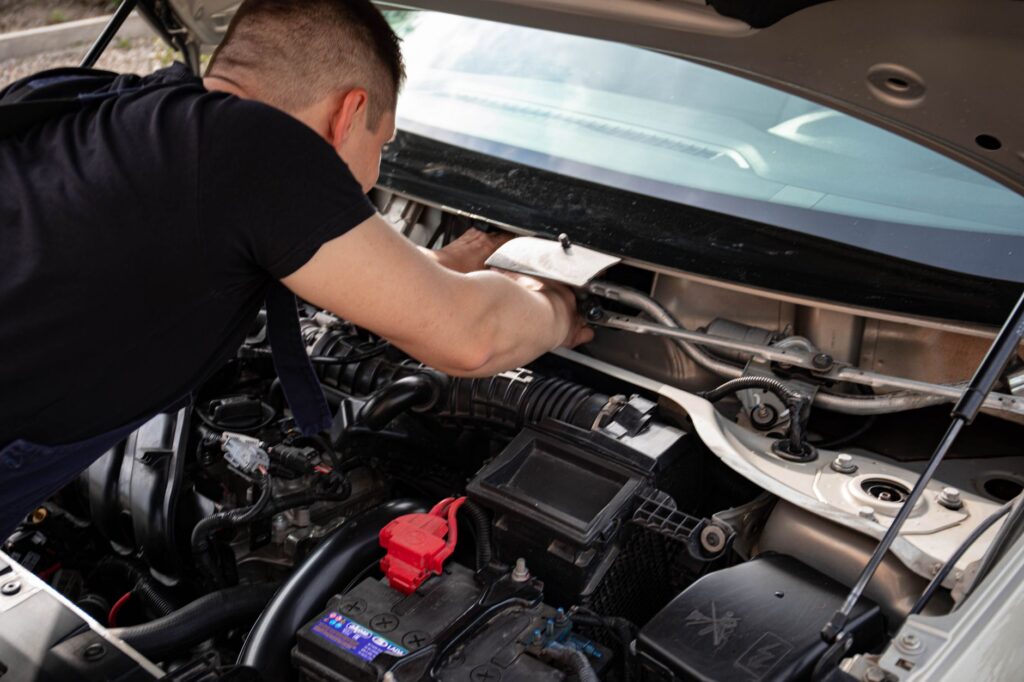
5. Check Tires and Basic Operating Condition
Check that the tires are reasonably inflated and that the vehicle can be moved safely for loading if it is being booked as an operable vehicle.
Also tell the transport provider about issues that could affect loading, including:
- Dead or weak battery
- Steering problems
- Brake problems
- Flat or damaged tires
- Transmission or drivetrain problems
- Vehicle that does not start
If the vehicle does not start, steer, brake, or roll normally, review our inoperable vehicle shipping information.
Route-specific planning
Planning to Ship a Vehicle?
Get a vehicle shipping quote based on your route, vehicle, and workable dates.
Get My Quote
6. Check for Visible Fluid Leaks
Look underneath the vehicle for active or significant leaks before pickup.
If you know the vehicle has a leak or mechanical problem, disclose it before the carrier arrives. This gives the transport team an opportunity to determine whether additional loading considerations are required.
7. Confirm the Fuel Level
A full fuel tank is usually unnecessary for auto transport because the vehicle only needs enough fuel for normal loading, unloading, and short repositioning when required.
Many shipments use a relatively low fuel level for transport planning. However, follow the specific instructions provided for your shipment rather than relying on one universal fuel percentage.
8. Secure or Remove Exterior Accessories
Inspect anything attached to the exterior of the vehicle that could be loose, removable, or increase its dimensions.
Examples can include:
- Bike or cargo racks
- Removable antennas
- Roof accessories
- Aftermarket spoilers or body components
- Loose trim
- Oversized or modified equipment
Do not remove a component unless it can be removed safely and appropriately. Instead, disclose modifications before pickup so the carrier can evaluate them.
9. Close Windows and Secure the Vehicle
Make sure windows, doors, trunk, hood, and sunroof close properly before transport.
If the vehicle has an alarm system that could activate during movement, make sure you know how to disable or reset it if the carrier requests that during loading or transit.
You do not need to disable ordinary vehicle technology or GPS functions as a blanket rule unless specific shipment instructions require it.
10. Provide a Working Vehicle Key
The carrier needs access to operate the vehicle when loading, unloading, or repositioning it.
Have a working key or appropriate vehicle access device available at pickup. If the vehicle uses a special starting procedure, security code, battery disconnect, or other unusual system, explain it before loading.
11. Prepare for the Pickup Location
Large auto transport carriers need safe and legal access for loading.
Before pickup, consider:
- Street width
- Low trees or overhead restrictions
- Sharp turns
- Gates
- Steep grades
- Parking restrictions
- Space for loading and unloading
If the requested address is not accessible, the driver may coordinate a nearby practical meeting location.
See door-to-door vs. terminal car shipping for more detail.
12. Review the Bill of Lading and Pickup Inspection
At pickup, review the vehicle’s documented condition before it is loaded.
The Bill of Lading, or BOL, is an important shipment document and can include condition information recorded at pickup and delivery.
Check that visible pre-existing damage is documented accurately. Keep your own photos as an additional condition record.
What Documents Should You Have Ready?
Documentation requirements can vary by provider, carrier, vehicle, and shipment.
Do not assume that every shipment requires the same ownership or insurance documents. Instead, confirm the documents or identification required for your specific transport before pickup.
You should also have the correct booking information and contact details available when the carrier arrives.
Preparing an Electric Vehicle for Transport
If you are shipping an electric vehicle, tell the transport provider the exact make and model and follow any vehicle-specific or carrier-specific preparation instructions.
Important details can include battery state, vehicle transport mode, ground clearance, and any manufacturer procedures that affect loading or towing.
Do not change EV settings or battery levels solely from generic advice when the vehicle manufacturer or assigned carrier provides specific instructions.
Open vs. Enclosed Transport Preparation
Open Auto Transport
Open transport carries vehicles on an open trailer. The preparation fundamentals remain the same: accurate vehicle information, condition photos, secured accessories, and a clear pickup inspection.
Enclosed Auto Transport
Enclosed transport provides additional protection from direct weather and road exposure, but the vehicle still needs to be prepared and documented before loading.
For help choosing between the two, see open vs. enclosed auto transport.
What to Do on Pickup Day
When the carrier arrives:
- Confirm that the correct vehicle is being picked up.
- Make sure any required contact or shipment details are available.
- Walk around the vehicle during the condition inspection.
- Review existing damage documentation.
- Keep your own pickup photos.
- Provide the vehicle key.
- Ask any final questions before loading.
What Not to Do Before Shipping a Car
- Do not hide a mechanical or operating problem.
- Do not leave valuables in the vehicle unnecessarily.
- Do not assume personal items are automatically permitted.
- Do not fill the vehicle with household goods.
- Do not assume the carrier can access every residential street.
- Do not skip the pickup condition inspection.
- Do not rely only on memory instead of taking photos.
Frequently Asked Questions
How do I prepare my car for shipping?
Remove valuables and unnecessary loose items, clean the vehicle enough for inspection, photograph its condition, check tires and visible leaks, disclose mechanical problems or modifications, provide a working key, and confirm the carrier’s pickup instructions.
Should I wash my car before transport?
Cleaning the exterior is useful because it makes scratches, dents, and other visible condition details easier to document during the pickup inspection.
How much fuel should be in the car?
A full tank is generally unnecessary. Follow the fuel-level instructions provided for your specific shipment rather than assuming one percentage applies to every carrier.
Can I leave personal items in the vehicle?
Policies vary. Confirm what the assigned carrier permits before pickup, and do not assume vehicle cargo coverage applies to personal belongings.
Do I need to remove my license plates?
Do not remove plates based only on generic shipping advice. Follow the legal and shipment-specific requirements that apply to the vehicle and route.
Should I disable my car alarm?
If the alarm could activate during loading or movement, know how to disable or reset it if requested. There is no need to disable vehicle systems that do not interfere with transport.
What if my car does not run?
Tell the transport provider before pickup. An inoperable vehicle may require different loading equipment or handling.