Shipping a classic, collector, exotic, restored, or luxury vehicle requires more planning than simply choosing a carrier and a pickup date.
The vehicle may have low ground clearance, custom bodywork, rare parts, a valuable finish, unusual dimensions, or operating characteristics that affect how it should be loaded and transported.
This guide explains the main decisions involved in classic car shipping and luxury vehicle transport, including when enclosed transport makes sense, what to disclose before booking, how to document vehicle condition, and what to verify before pickup.
Classic & Luxury Car Shipping at a Glance
| Factor | What to Consider |
|---|---|
| Transport type | Open or enclosed based on protection needs and budget |
| Ground clearance | Tell the provider about low suspension, splitters, or custom bodywork |
| Vehicle value | Review applicable carrier coverage information after assignment |
| Condition | Photograph and document the vehicle before pickup |
| Operability | Disclose whether the vehicle starts, steers, brakes, and rolls |
| Modifications | Provide accurate dimensions and relevant loading details |
| Pickup access | Make sure the transport equipment can safely reach the location |
Do Classic and Luxury Cars Need Enclosed Transport?
Not every classic or luxury vehicle requires enclosed transport.
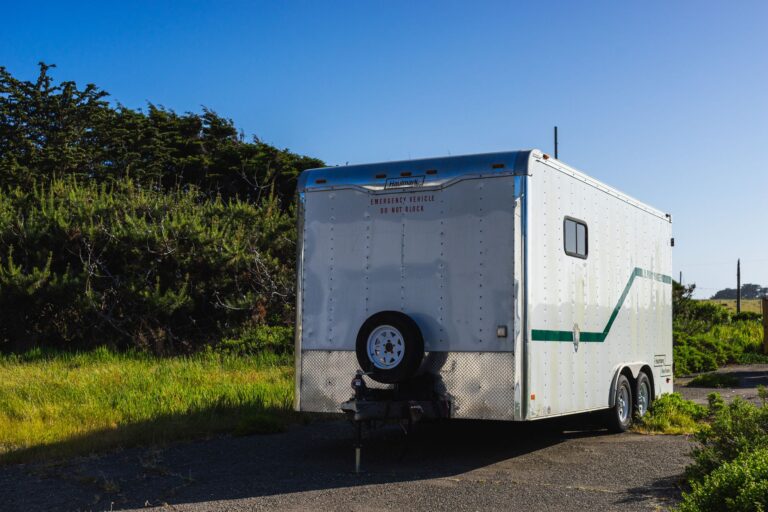
Enclosed auto transport provides additional protection from direct weather and normal road exposure because the vehicle travels inside a covered trailer.
That can make enclosed transport attractive for:
- Collector vehicles
- Restored classics
- Exotic or high-value vehicles
- Show cars
- Vehicles with custom paint or bodywork
- Cars whose owners have a low tolerance for environmental exposure
However, open transport can still be suitable for some luxury or older vehicles when the owner is comfortable with direct outdoor exposure and prioritizes a lower planning cost.
For the broader equipment comparison, see open vs. enclosed auto transport.
What Enclosed Transport Actually Changes
The main benefit of enclosed transport is reduced direct exposure to weather, dust, road spray, and debris during transit.
It does not eliminate every possible transportation risk.
The vehicle still needs to be loaded, secured, transported, unloaded, and inspected correctly.
For that reason, choosing enclosed equipment should be only one part of the shipping plan.
Low Ground Clearance Needs Special Attention
Many exotic, performance, restored, and modified vehicles sit lower than standard passenger cars.
Before booking, disclose features such as:
- Lowered suspension
- Front splitters
- Side skirts
- Long overhangs
- Custom wheels or tires
- Aftermarket bodywork
Loading equipment and ramp angles vary between transporters. Do not assume that every enclosed trailer has the same loading system.
The provider needs accurate information so an appropriate carrier can be considered for the vehicle.
Tell the Transport Company About Vehicle Modifications
Standard year, make, and model information may not describe a modified vehicle accurately.
Tell the provider about changes that affect:
- Overall height
- Overall width
- Ground clearance
- Wheel or tire size
- Weight
- Loading access
Undisclosed modifications can create problems when the assigned equipment arrives for pickup.
Document the Vehicle Before Pickup
Condition documentation is especially important for a vehicle with valuable paint, rare trim, restoration work, or existing cosmetic imperfections.
Before pickup:
- Clean the exterior enough to inspect it clearly.
- Photograph all sides of the vehicle.
- Take closer photos of existing scratches, chips, dents, or marks.
- Photograph wheels and other vulnerable exterior areas.
- Keep the original image files rather than relying only on compressed screenshots.
The vehicle condition should also be reviewed during the pickup inspection and recorded on the applicable shipping documentation.
Route-specific planning
Planning to Ship a Vehicle?
Get a vehicle shipping quote based on your route, vehicle, and workable dates.
Get My Quote
Why the Bill of Lading Matters
The Bill of Lading, or BOL, is an important shipment document and can include the vehicle condition recorded at pickup and delivery.
Review the condition notation before the vehicle leaves.
At delivery, inspect the vehicle again before completing the delivery condition acknowledgment whenever circumstances allow.
For broader preparation steps, use our pre-transport vehicle checklist.
Insurance and Cargo Coverage for High-Value Vehicles
Do not rely only on a phrase such as “fully insured,” especially when shipping a high-value vehicle.
Once the motor carrier is assigned, review the coverage information that applies to that shipment.
Relevant details can include:
- Applicable cargo coverage
- Coverage limits
- Deductibles, if any
- Exclusions or limitations
- Damage reporting requirements
- Claim procedures
Coverage terms vary between carriers and policies.
Your own automobile, collector, or specialty policy may also have terms relevant to transport. If that matters to your risk planning, check directly with your insurer instead of assuming what your personal policy covers.
See our car shipping insurance guide for a more detailed overview.
Can an Inoperable Classic Car Be Shipped?
Yes, an inoperable classic car may be transportable, but the loading requirements need to be disclosed before carrier assignment.
Tell the provider if the vehicle does not:
- Start
- Steer
- Brake
- Roll freely
Do not assume that every transporter has the equipment needed for every inoperable vehicle.
See our inoperable vehicle shipping service for more information.
Preparing a Classic or Luxury Car for Transport
A few preparation steps can make pickup and inspection easier.
Clean the Vehicle
A reasonably clean exterior makes existing cosmetic marks easier to document.
Remove Loose and Valuable Items
Remove valuables, important documents, detachable accessories, and loose items that do not need to remain in the vehicle.
If you plan to leave anything inside, confirm the assigned carrier’s policy first. See shipping personal items inside a car.
Check for Leaks or Mechanical Issues
Tell the transport provider about leaks or mechanical conditions that could affect loading or transport.
Provide Working Keys
The carrier needs appropriate vehicle access for loading and unloading.
Discuss Alarms or Special Starting Procedures
If the vehicle has an unusual security system, battery cutoff, immobilizer, carburetor procedure, or other special starting requirement, explain it before pickup.
Classic Cars With Special Starting Procedures
Older vehicles can operate differently from modern cars.
If a driver needs to know a specific procedure to start, steer, brake, or move the vehicle safely, provide clear instructions.
Do not assume that the transporter will know the operating characteristics of a particular vintage model.
Door-to-Door Shipping for Classic and Luxury Cars
Door-to-door transport generally means coordinating pickup and delivery as close to the requested addresses as the carrier can safely and legally access.
Large transport equipment may not be able to enter every driveway, gated community, narrow street, or low-clearance area.
When access is limited, the driver may coordinate a nearby suitable meeting location.
Read door-to-door vs. terminal car shipping for a fuller explanation.
Does Enclosed Transport Take Longer?
Not necessarily.
Open and enclosed carrier availability can differ by route and date, but trailer type alone does not determine transit speed.
Pickup scheduling depends on available capacity, while transit after pickup depends on factors such as distance, route, stops, traffic, weather, and operating conditions.
See how long car shipping takes for distance-based planning ranges.
How Much Does Classic or Luxury Car Shipping Cost?
There is no single classic-car shipping price.
The final shipment cost can be affected by:
- Distance
- Route
- Vehicle size
- Vehicle operability
- Open or enclosed transport
- Ground clearance or special loading requirements
- Carrier availability
- Requested pickup timing
Enclosed transport generally carries a higher planning rate than open transport, but the difference is not a universal percentage.
For general cost planning, see how much it costs to ship a car.
When Open Transport May Still Make Sense
Classic or luxury does not automatically mean enclosed transport is mandatory.
Open transport may still make sense when:
- The vehicle is regularly driven outdoors.
- The owner is comfortable with normal road and weather exposure.
- Keeping transport cost lower is a priority.
- The vehicle does not require specialized loading equipment.
The decision should reflect the actual vehicle and the owner’s priorities rather than a blanket rule.
When Enclosed Transport May Be Worth the Added Cost
Enclosed transport may be worth considering when:
- The vehicle has rare or difficult-to-repair finishes or components.
- The vehicle is restored or maintained primarily for collection or exhibition.
- The owner wants to minimize direct environmental exposure.
- The vehicle has substantial financial or sentimental value.
- Its configuration requires equipment that needs to be confirmed before pickup.
Questions to Ask Before Booking
- Will the shipment use open or enclosed equipment?
- What loading considerations does my vehicle require?
- Have the vehicle dimensions and modifications been documented?
- When will I receive the assigned carrier information?
- What coverage information applies to that carrier?
- How will pickup and delivery access be coordinated?
- What should I document on the BOL?
- What should I do if I notice a condition difference at delivery?
Frequently Asked Questions
Should I use enclosed transport for a classic car?
Enclosed transport is worth considering when reducing direct weather and road exposure is important. It is not automatically required for every classic vehicle.
Can a luxury car be shipped on an open carrier?
Yes. The choice depends on the vehicle, owner preference, budget, route, and desired level of protection from direct environmental exposure.
Does enclosed transport eliminate the risk of vehicle damage?
No. It reduces direct weather and road exposure, but loading, securement, transit, unloading, and condition documentation still matter.
Is enclosed transport automatically better insured?
No. Applicable coverage depends on the assigned carrier and policy rather than trailer type alone.
Can you ship a non-running classic car?
Potentially, yes. The provider needs to know the vehicle’s actual condition so a carrier with appropriate loading capability can be considered.
What should I photograph before shipping a collector car?
Photograph the full exterior, wheels, existing cosmetic marks, and any other areas whose condition you want documented before pickup.
How should I prepare a low-clearance exotic car?
Provide the actual ground-clearance and modification details before booking so the provider can evaluate appropriate loading equipment.
Related Auto Transport Guides
- Open vs. Enclosed Auto Transport
- Enclosed Auto Transport Service
- How to Prepare Your Car for Shipping
- Car Shipping Insurance
- How Does Car Shipping Work?
- How to Get an Accurate Car Shipping Quote
Plan Transport Around the Actual Vehicle
For a classic, luxury, exotic, restored, or modified vehicle, the best transport plan starts with accurate vehicle information. Submit the route, condition, dimensions, modifications, and transport preference through our quote request so the shipment can be evaluated using the actual vehicle requirements.