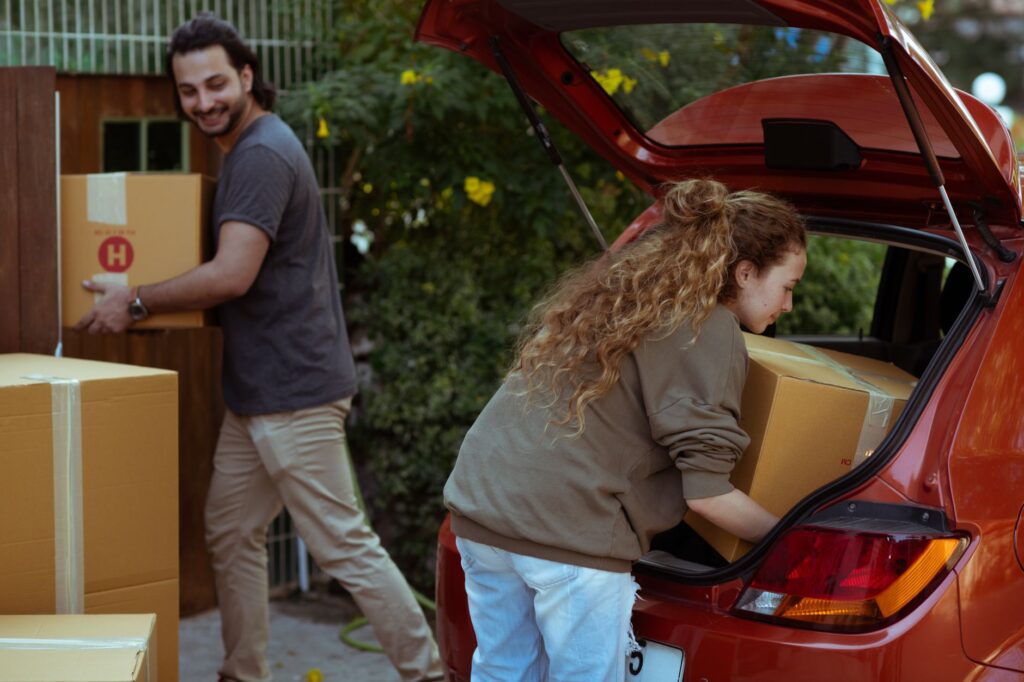
If you are wondering can you ship personal items in your car, the safest answer is: sometimes, depending on the carrier and shipment.
Do not assume that every auto transport carrier allows the same amount of luggage or household goods. Policies can differ based on the carrier, route, equipment, vehicle, and operating requirements.
Personal Items in a Shipped Car at a Glance
| Question | Best Practice |
|---|---|
| Are personal items always allowed? | No. Confirm the assigned carrier’s policy. |
| Is there one standard weight limit? | No. Limits vary by carrier and shipment. |
| Can valuables stay in the vehicle? | Remove valuables and important documents. |
| Are personal items automatically insured? | No. Do not assume vehicle cargo coverage applies to belongings. |
| Where should allowed items be placed? | Follow the carrier’s placement and visibility requirements. |
| Can heavy cargo affect transport? | Yes. Added weight and loading conditions can matter. |
Can You Put Personal Items in a Car Being Shipped?
Some carriers may allow a limited amount of personal property, while others may require the vehicle to be empty except for normal vehicle-related items.
Because there is no single policy that applies to every shipment, ask before pickup rather than relying on a number found online.
If the carrier allows belongings, confirm:
- Maximum permitted weight
- Where items may be placed
- Whether items must remain below the window line
- Whether the trunk is preferred
- Which items are not accepted
- Whether additional weight can affect the shipment
- What, if any, coverage applies to personal property
Why Do Carriers Limit Personal Belongings?
Auto transport equipment is designed primarily to move vehicles.
Additional belongings can create practical issues involving trailer capacity, vehicle weight, visibility, loading, unloading, and responsibility for property left inside the vehicle.
For that reason, carriers can establish their own shipment policies about what they will or will not accept.
Is There a Standard 100-Pound Limit?
No universal 100-pound rule applies to every auto transport shipment.
You may see weight allowances quoted online, but those numbers should not be treated as an industry-wide guarantee.
The allowed amount, if any, depends on the actual carrier and shipment. Always confirm the current policy before packing the vehicle.
Where Should Personal Items Be Placed?
If the assigned carrier permits personal belongings, follow its placement instructions carefully.
Carriers may prefer items to remain in the trunk or below the window line so they do not interfere with visibility, access, inspection, loading, or vehicle movement.
Do not fill the cabin in a way that blocks seats, windows, controls, mirrors, or access needed to operate the vehicle.
What Should You Remove Before Shipping?
Even when some belongings are permitted, several types of items are better kept with you.
Remove:
- Cash
- Jewelry
- Passports and identity documents
- Financial or legal documents
- Laptops and expensive electronics
- Medication you may need during travel
- Keys unrelated to the vehicle
- Sentimental or irreplaceable items
If losing an item would create a serious problem, do not leave it inside the vehicle.
Route-specific planning
Planning to Ship a Vehicle?
Get a vehicle shipping quote based on your route, vehicle, and workable dates.
Get My Quote
What Items May Be Restricted or Refused?
Carrier policies can prohibit or restrict certain property for safety, legal, operational, or liability reasons.
Before pickup, specifically ask about any item that could be hazardous, restricted, illegal, unusually heavy, valuable, perishable, or difficult to secure.
Do not assume that an item is acceptable simply because it physically fits inside the car.
Are Personal Belongings Covered by Car Shipping Insurance?
Do not assume that coverage applicable to the vehicle also applies to personal property inside it.
Motor-carrier cargo coverage, policy limits, exclusions, and claim procedures can vary by shipment.
If belongings are permitted, ask whether any coverage applies to those items. If the answer is unclear, treat the property as potentially uncovered and remove anything valuable.
For more detail, see our car shipping insurance guide.
Can Personal Items Increase the Shipping Price?
They can affect the shipment if the additional weight or loading conditions change what the carrier is willing or able to transport.
Do not assume that a small amount is automatically free or that additional belongings will always create a fee.
The correct answer depends on the assigned carrier’s policy and the actual shipment.
Can Personal Items Delay Pickup?
Yes, if the vehicle arrives for pickup with items that do not comply with the carrier’s policy.
The driver may ask you to remove or rearrange property before loading the vehicle.
That is why you should confirm the policy before pickup rather than waiting until the carrier arrives.
Do Open and Enclosed Transport Have Different Rules?
Open and enclosed transport describe the equipment used to carry the vehicle. Personal-item policies still depend on the assigned carrier.
Open Auto Transport
Open transport carries vehicles on an open trailer. Do not assume that its personal-item allowance is the same across all carriers.
Enclosed Auto Transport
Enclosed transport carries the vehicle inside a covered trailer. The enclosed trailer does not automatically mean that more belongings are permitted or that personal property receives broader insurance protection.
For the equipment comparison, see open vs. enclosed auto transport.
How Personal Items Affect the Vehicle Inspection
The vehicle should still be accessible for the pickup inspection.
Before loading, the vehicle’s visible condition is documented. Large amounts of property should not obstruct access or make it difficult to review the vehicle.
For preparation steps, use our car shipping preparation checklist.
Should Personal Items Be Listed on the Bill of Lading?
The shipment paperwork and documentation process can vary.
If personal items are accepted, follow the carrier’s instructions for how they should be disclosed or documented.
Do not assume that simply writing items on the Bill of Lading creates insurance coverage or makes the carrier responsible for them.
Can You Ship Household Goods in a Vehicle?
A vehicle transport shipment should not automatically be treated as a substitute for a household moving service.
If you need to move boxes, furniture, electronics, or a significant amount of household property, a service designed for household goods may be more appropriate.
Use the vehicle primarily for vehicle transport and confirm any limited personal-item allowance directly with the carrier.
What About Emergency and Vehicle-Related Items?
Normal vehicle-related items may be treated differently from household belongings, but the carrier still has the final say on what it accepts.
Examples can include:
- Owner’s manual
- Factory tools
- Spare tire
- Vehicle-specific accessories
- Small emergency equipment
If you are unsure about an item, ask before pickup.
What If You Are Moving Across the Country?
It can be tempting to use the car as extra storage during a long-distance move.
However, overpacking the vehicle creates more uncertainty around weight, carrier policy, security, and responsibility for personal property.
Keep important belongings with you and use an appropriate moving or parcel service for items that do not need to travel inside the vehicle.
Personal Items Checklist Before Pickup
Before the carrier arrives:
- Confirm whether personal items are permitted.
- Confirm the permitted weight, if applicable.
- Confirm where items may be placed.
- Remove valuables.
- Remove important documents.
- Remove anything the carrier identifies as restricted.
- Secure permitted items so they cannot shift.
- Keep the driver’s access to the vehicle clear.
- Make sure the vehicle remains ready for inspection.
Questions to Ask the Carrier
Before packing anything, ask:
- Are personal items allowed in this shipment?
- Is there a maximum weight?
- Where may the items be placed?
- Are there categories of items you will not accept?
- Does added weight affect the price?
- Could belongings affect pickup or loading?
- Does any coverage apply to personal property?
- Do permitted items need to be documented?
Frequently Asked Questions
Can I leave personal items in my car during transport?
Possibly. Some carriers may allow a limited amount, while others may require the vehicle to be empty. Confirm the assigned carrier’s policy before pickup.
How much can I put inside the vehicle?
There is no universal allowance. Ask the assigned carrier for the weight and placement rules that apply to your shipment.
Are my personal belongings insured?
Do not assume they are. Vehicle cargo coverage may not apply to personal property. Confirm any applicable coverage before leaving belongings inside the car.
Can I put boxes in the trunk?
That depends on the carrier. If belongings are allowed, the carrier may specify where they can be placed and how much weight is permitted.
Can personal items make my car shipping quote higher?
They can affect the shipment if the added weight or loading requirements change the carrier’s terms. Confirm this before pickup.
Can the driver refuse my car because it has too much stuff inside?
The carrier can require the vehicle to comply with its shipment policy before loading. If the vehicle contains unacceptable or excessive items, you may need to remove or rearrange them.
Can I ship valuables inside the car?
It is better to remove cash, jewelry, electronics, important documents, and other valuable or irreplaceable property before transport.