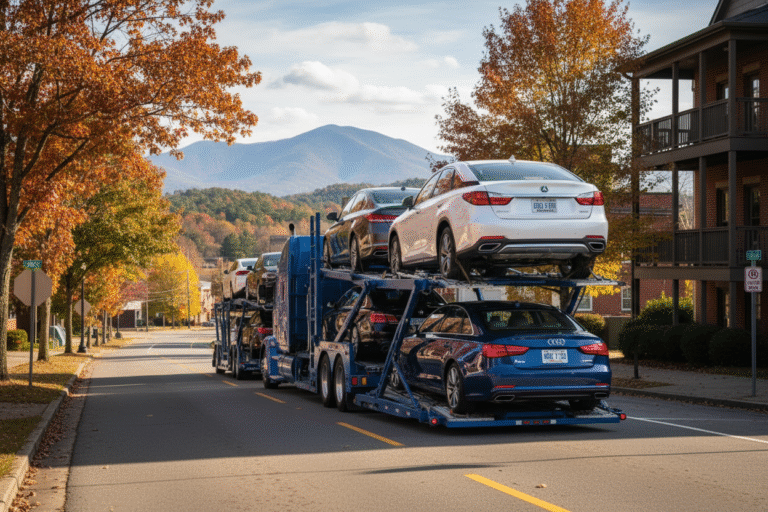
“Should I ship my car or drive it?” sounds like a simple price question, but the right comparison is total trip cost, not transport quote versus gasoline alone.
The better option depends on distance, vehicle efficiency, hotel needs, travel time, passengers, route, vehicle condition, and the current shipping quote.
Ship a Car vs. Drive: What to Compare
| Driving | Shipping |
|---|---|
| Fuel | Transport quote |
| Tolls | Airfare if applicable |
| Hotels | Local transportation if needed |
| Meals on the road | Open or enclosed transport choice |
| Added mileage | Pickup/delivery coordination |
| Travel time | Transit and scheduling time |
Start With the Real Cost of Driving
Fuel is only one part of a long-distance drive.
Your calculation may also include:
- Tolls
- Hotels
- Meals
- Parking
- Extra travel days
- Vehicle mileage
- Maintenance associated with the trip
These costs vary dramatically by route and travel style, so there is no universal driving total.
Calculate Fuel for Your Own Vehicle
Instead of using a generic national number, calculate the trip using your own vehicle’s typical fuel economy and the fuel price you expect along the route.
A simple planning formula is:
Trip miles ÷ expected MPG × expected fuel price = estimated fuel cost
This is still an estimate, but it is more useful than assuming every vehicle costs the same to drive.
Include Hotels and Meals Only When They Actually Apply
A route one person completes in a single day may require lodging for someone else.
Likewise, meal costs depend on how many people are traveling and how the trip is planned.
Use your actual itinerary rather than a fixed “cross-country road trip” assumption. For longer routes, review the full cross-country car shipping process before comparing transport with driving.
What Does Shipping Replace?
Auto transport removes the need to personally drive the vehicle over the full route.
However, shipping does not make all travel costs disappear.
You may still need:
- A flight
- Airport transportation
- A rental vehicle
- Local transportation before delivery
Include these when comparing shipping with driving.
Open vs. Enclosed Shipping Cost
Open transport generally carries the lower planning cost and is commonly used for daily drivers.
Enclosed transport provides additional protection from direct weather and road exposure and generally costs more.
See open vs. enclosed transport.
Added Mileage and Vehicle Use
Driving adds the route mileage directly to the vehicle.
Whether that matters financially depends on the car, its current mileage, its condition, and how you value additional use.
Do not assume that a specific number of miles creates a predictable depreciation amount for every vehicle.
The Value of Your Time
For some people, the road trip is part of the move and has little opportunity cost.
For others, several days away from work, family, school, or relocation tasks can be significant.
Assigning a dollar value to time is personal. Include it only if it is meaningful to your decision.
Is Shipping Always Cheaper on Long Trips?
No.
Long distance can make shipping more competitive when a road trip requires fuel, lodging, food, and several travel days, but that does not mean shipping will always be cheaper.
The only useful comparison is your current transport quote versus your realistic driving budget.
Is Driving Always Cheaper on Short Trips?
Not necessarily.
A short route may favor driving, but factors such as limited time, multiple vehicles, vehicle condition, or travel logistics can still make shipping useful.
Ship vs. Drive Cost Worksheet
| Driving Cost | Your Amount |
|---|---|
| Fuel | _____ |
| Tolls | _____ |
| Lodging | _____ |
| Meals | _____ |
| Other travel costs | _____ |
| Driving total | _____ |
| Shipping Cost | Your Amount |
|---|---|
| Vehicle transport | _____ |
| Flight or other travel | _____ |
| Local transportation | _____ |
| Other costs | _____ |
| Shipping total | _____ |
Use Current Car Shipping Planning Data
Transport prices depend on the route, vehicle, equipment, timing, and carrier availability.
Use our car shipping cost calculator for planning or read how much it costs to ship a car.
When Driving May Make More Sense
Driving may fit better when the route is manageable, you want the road trip, your travel costs are low, and adding mileage is not a concern.
When Shipping May Make More Sense
Shipping may fit better when you need to move multiple vehicles, want to avoid the long drive, have limited travel time, are coordinating a relocation, or prefer not to add the route mileage to the vehicle.
What About Vehicle Safety?
Do not reduce the decision to a blanket claim that one option is always “safer.”
Driving and professional transport involve different risks.
If you ship the vehicle, review the assigned carrier information, document condition at pickup and delivery, and understand the applicable coverage.
How Long Does Shipping Take Compared With Driving?
Driving time depends on your route, stops, overnight plan, and personal driving schedule.
Auto transport timing includes carrier scheduling and transit after pickup.
See how long car shipping takes.
Frequently Asked Questions
Is it cheaper to ship a car or drive it?
It depends on your route and costs. Compare the transport quote with fuel, tolls, lodging, meals, travel time, and other expenses that actually apply to your drive.
Does shipping avoid mileage on my car?
It avoids personally driving the vehicle over the full transport route, so the long-distance road mileage is not added in the same way as driving the trip yourself.
Should I count depreciation when comparing?
Only if it is meaningful to you, and avoid using a universal depreciation value. Vehicle value responds differently to mileage depending on the vehicle and market.
Is shipping better for a relocation?
It can simplify relocation logistics when you prefer to fly, are moving multiple vehicles, or want to avoid a long road trip.
Related Cost & Relocation Guides
- Car Shipping Cost Guide
- Car Shipping Cost by Distance
- Car Shipping Cost Calculator
- Complete Car Shipping Guide
- Car Shipping Transit Time
Compare Your Actual Route
Once you know the vehicle and route, request the current transport option through our quote form and compare it with your own driving budget.