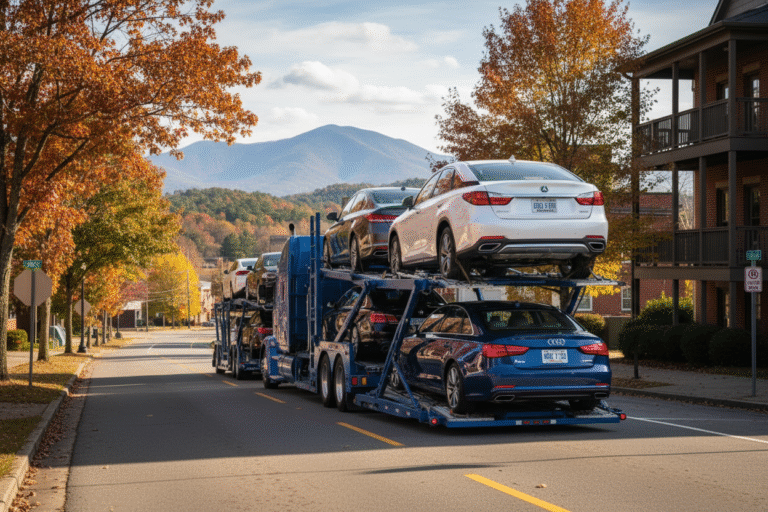
Shipping a car to college is less about the transport itself and more about coordinating the vehicle with move-in dates, housing, campus parking, student travel, and pickup access.
The process is similar to standard car shipping, but college moves create several practical details that parents and students should solve before carrier assignment.
College Car Shipping at a Glance
| Planning Item | What to Confirm |
|---|---|
| Move-in date | How flexible the vehicle arrival can be |
| Campus access | Whether a large transporter can enter the area |
| Delivery contact | Student, parent, roommate, or another responsible adult |
| Transport method | Open or enclosed |
| Parking | University or housing parking rules after delivery |
| Personal items | Carrier-specific rules for anything left inside the car |
When Does Shipping a Car to College Make Sense?
Car shipping may be useful when the university is far from home, the student is flying, parents are coordinating several vehicles, or the family prefers not to add a long road trip to move-in logistics.
It is not automatically cheaper than driving. Compare the actual transport quote with fuel, lodging, meals, time, tolls, and any other costs relevant to the trip.
See ship a car vs. drive it for a full comparison.
Open Transport for a Student Vehicle
Open transport can be a practical option for a standard commuter vehicle.
The car travels on an open trailer and remains exposed to normal outdoor road conditions.
It generally has a lower planning cost than enclosed transport.
When Enclosed Transport May Make Sense
Enclosed transport may be considered when the student vehicle is a classic, collector, luxury, restored, or otherwise sensitive vehicle.
It reduces direct exposure to weather and road conditions but generally carries a higher planning cost.
Plan Around Move-In Without Relying on a Universal Booking Window
There is no single number of weeks that guarantees the best college-shipping result.
Once the move-in plan is reasonably firm, provide the route and date flexibility so carrier availability can be evaluated.
If the student has a narrow move-in schedule, mention that early rather than assuming an exact pickup or delivery time will be available.
Can a Carrier Deliver Directly to Campus?
Sometimes, but campus and housing access varies.
Large auto transport equipment may not be able to enter dorm areas, restricted campus roads, parking decks, narrow streets, gated housing, or high-traffic move-in zones.
A nearby public area with safe truck access may be more practical.
Coordinate the meeting location with the driver rather than assuming the dorm entrance will be accessible.
Who Can Receive the Student’s Car?
The student does not always need to be the only person who receives the vehicle.
If someone else will handle delivery, coordinate the contact information in advance and make sure that person can inspect the car and complete the delivery documentation.
Prepare the Vehicle Before It Leaves Home
Before pickup:
- Photograph the vehicle.
- Remove unnecessary loose belongings.
- Provide working keys.
- Disclose mechanical problems or modifications.
- Confirm who will release the vehicle.
Use our pre-transport checklist for a complete preparation guide.
Can Students Pack Belongings Inside the Car?
Do not assume the vehicle can be used as a moving container.
Personal-item policies vary by carrier.
Before leaving anything inside, confirm the assigned carrier’s rules, weight restrictions, placement requirements, prohibited items, and applicable coverage.
See personal items in a shipped car.
How Much Does It Cost to Ship a Car to College?
The price depends on the actual shipment.
Factors can include:
- Distance
- Vehicle dimensions
- Open or enclosed transport
- Vehicle operability
- Origin and destination access
- Requested timing
- Carrier availability
Use our car shipping cost guide for broader planning information.
College Move-In Season and Carrier Availability
Late-summer and seasonal travel patterns can affect carrier demand on some routes, but there is no universal “college surcharge” or fixed seasonal premium.
Availability should be evaluated for the actual route and date rather than assumed from the calendar alone.
How Long Does Student Auto Transport Take?
Separate pickup scheduling from transit after pickup.
Transit depends primarily on distance, route, carrier stops, traffic, weather, and operating conditions.
See car shipping transit time by distance.
Vehicle Inspection and the Bill of Lading
Document the vehicle’s condition at pickup and review it again at delivery.
If the student is not present at pickup, make sure the person releasing the vehicle understands the inspection process.
The same applies if a parent or another person receives the vehicle at school.
Insurance and Coverage
Once the motor carrier is assigned, review the coverage information applicable to that shipment.
Do not rely only on a broad phrase such as “fully insured.”
See car shipping insurance for details about coverage questions and condition documentation.
Student Car Shipping Checklist
- Confirm the move-in schedule.
- Check campus or housing parking rules.
- Choose open or enclosed transport.
- Confirm pickup and delivery contacts.
- Plan a truck-accessible delivery location.
- Prepare and photograph the vehicle.
- Confirm personal-item rules.
- Keep vehicle arrival timing separate from flight or move-in assumptions.
Frequently Asked Questions
How far in advance should I ship a car to college?
There is no universal booking window. Once the move-in schedule is reasonably known, provide the route and flexibility so current carrier availability can be evaluated.
Can a car transporter enter a college campus?
It depends on campus access, road design, security, parking, and truck restrictions. A nearby accessible meeting point may be needed.
Can a parent ship the vehicle for a student?
Yes, pickup and delivery contacts can be coordinated around the family’s move plan, provided the necessary vehicle access and shipment information are available.
Is open transport good for a student car?
It can be a practical option for a standard daily-use vehicle. Enclosed transport may be considered when additional protection from direct weather and road exposure is important.
Can a student put moving boxes inside the car?
Do not assume so. Confirm the assigned carrier’s personal-item policy before placing belongings inside.
Related Student & Relocation Guides
- Student Auto Transport Service
- Ship a Car vs. Drive It
- Complete Car Shipping Guide
- Vehicle Preparation Guide
- Best Time to Ship a Car
Coordinate the Vehicle With the College Move
Submit the route, vehicle, move-in timing, transport preference, and delivery-access details through our quote request.