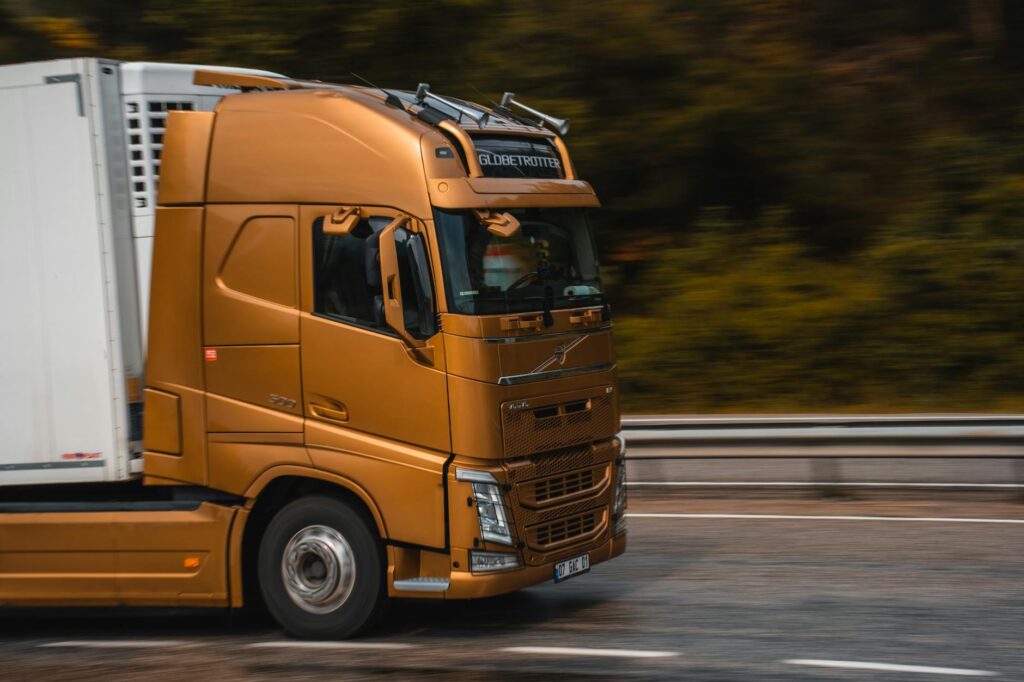
Ohio to Arizona: $1,150 – $1,350
Open Transport | ~1,900 Miles | 6-8 Days Transit
Ohio is unusual among the states that ship to Arizona: it does not have one city.
Minnesota has the Twin Cities. Illinois has Chicago. Michigan has Detroit. In each of those, one metro dominates the freight market so completely that the pickup question answers itself. Ohio has Columbus in the middle, Cleveland in the north, Cincinnati in the southwest and Toledo on the lake — four real cities, none of them dominant, spread across three different interstate corridors.
The consequence is that the origin city is a live decision here in a way it is not on comparable routes. There is a $100 spread across the four, plus a transit day, and which end of that you land on depends on something most people never consider when they book.
It also means Ohio competes with itself. A carrier heading southwest can fill from any of four markets, so a load posted in one of them is bidding against the other three before it ever reaches the wider Midwest.
- What It Actually Costs
- City-to-City Price Breakdown
- How Long the Journey Takes
- Seasonal Pricing: When to Book
- Open vs. Enclosed Transport
- Who Ships Ohio to Arizona
- The Complete Shipping Process
- Vehicle Preparation Checklist
- 7 Mistakes That Cost You Money
- Insurance and Liability Explained
- Frequently Asked Questions
What It Actually Costs
For planning, this page currently uses $1,150-$1,350 for open transport on common Ohio-to-Arizona city pairs, with higher examples for enclosed transport and larger vehicles. These figures are planning references rather than live quotes or fixed prices. Actual Ohio to Arizona car shipping cost changes with vehicle size, exact pickup and delivery access, transport type, carrier availability, timing and market demand. See our car shipping cost guide and cost-per-mile guide for the broader pricing factors.
Why the Rate Is Unremarkable
The route runs I-70 west and I-40 southwest, both high-volume freight corridors with traffic in each direction. There is no terrain premium: no passes worth the name, nothing seasonal, nothing that closes. And Arizona sends enough back toward the Midwest that carriers are not recovering a dead return leg from you.
What is not unremarkable is the competition. Ohio’s four metros feed the same southwestbound trucks, and Indiana, Michigan and Illinois are doing the same thing on the same roads in the same weeks. Your quote reflects how crowded that queue is more than it reflects your mileage.
Pricing by Vehicle
A trailer sells space, so size drives this more than value does:
| Vehicle Type | Open Transport | Enclosed Transport |
|---|---|---|
| Sedan/Compact | $1150 – $1225 | $1725 – $1825 |
| Mid-size SUV | $1200 – $1275 | $1800 – $1900 |
| Full-size SUV/Truck | $1250 – $1500 | $1850 – $2150 |
| Luxury ($75K+) | $1275 – $1550 | $1875 – $2200 |
| Oversized (dually, extended) | $1500 – $1650 | $2200 – $2400 |
What Moves Your Quote
- Vehicle size and condition: larger, heavier or non-running vehicles can require different equipment or trailer space.
- Exact pickup and delivery access: dense streets, restricted truck access and outlying locations can change how easily a carrier can serve the route.
- Transport type: open and enclosed transport have different availability and pricing.
- Timing: carrier capacity, demand, weather and holiday traffic can change from week to week.
- Schedule flexibility: a practical pickup window usually gives dispatch more options than a single required date.
A non-running vehicle also needs to be disclosed before booking so the correct equipment can be assigned. See inoperable vehicle shipping for the additional planning points.
City-to-City Price Breakdown
The table below preserves planning examples for common Ohio and Arizona city pairs. Use it to understand how origin and destination can affect a shipment, not as a fixed city premium or a promise that one metro will always price below another. Current carrier routing, access and timing determine the live quote.
| Origin City | Destination | Open Price | Enclosed | Transit |
|---|---|---|---|---|
| Columbus | Phoenix | $1150-$1250 | $1725-$1875 | 6-7 days |
| Columbus | Scottsdale | $1175-$1275 | $1750-$1900 | 6-7 days |
| Cleveland | Phoenix | $1175-$1275 | $1750-$1900 | 6-7 days |
| Cleveland | Scottsdale | $1200-$1300 | $1775-$1925 | 6-7 days |
| Cincinnati | Phoenix | $1200-$1300 | $1775-$1925 | 7-8 days |
| Cincinnati | Scottsdale | $1225-$1325 | $1800-$1950 | 7-8 days |
| Toledo | Phoenix | $1225-$1325 | $1800-$1950 | 7-8 days |
| Toledo | Scottsdale | $1250-$1350 | $1825-$1975 | 7-8 days |
Pickup City Can Affect Price and Timing
Columbus, Cleveland, Cincinnati and Toledo connect to different freight corridors and carrier schedules. A pickup that fits a carrier’s existing southwestbound route may be easier to assign than one that requires a detour, but the practical advantage changes with the specific load and date.
If more than one Ohio pickup point is genuinely convenient for you, compare current quotes before choosing one rather than assuming the same city will always be less expensive.
Compare Practical Pickup Options Before Booking
Some customers can reasonably use more than one Ohio pickup area. When that is true, compare the complete quote and pickup window for each practical option. The useful comparison is the live carrier availability for your dates, not a fixed dollar difference between cities.
Phoenix, Scottsdale and Valley Delivery Access
Delivery location can affect the final leg of the shipment. Phoenix, Scottsdale, Mesa and outer Valley addresses differ in access, traffic and how well they fit the carrier’s remaining stops. If you have flexibility between delivery points, compare the current quote and delivery window rather than relying on a fixed city surcharge.
Route-specific planning
Planning to Ship a Vehicle?
Get a vehicle shipping quote based on your route, vehicle, and workable dates.
Get My Quote
How Long the Journey Takes
For planning, this page uses roughly 6-9 days in transit for an Ohio-to-Arizona shipment once the vehicle is picked up. Carrier assignment and pickup scheduling happen before that transit clock begins, so total booking-to-delivery time can be longer. These are estimates rather than fixed delivery commitments.
What Affects Transit Time
- the exact Ohio pickup and Arizona delivery locations
- the carrier’s other pickups and deliveries on the same load
- traffic, road conditions and weather along the route
- truck-access restrictions at either end
- schedule changes that occur after dispatch
Carrier Assignment Comes First
A transit estimate describes the trip after pickup. The time required to match the shipment with a carrier varies with current capacity, the vehicle, the route and your pickup window. Keep those two stages separate when planning travel, a lease return or another date-sensitive commitment.
Route Planning
I-70 and I-40 are common corridors for this general direction, but the assigned carrier may use a different route based on its full load, traffic and weather. Route descriptions are therefore useful for orientation, not for predicting an exact delivery day.
Build Flexibility Into the Schedule
Use a realistic pickup window and avoid tying non-refundable plans to an estimated delivery date. Our car shipping transit-time guide explains how distance, dispatch and route conditions affect the schedule.
Seasonal Pricing: When to Book
Season can affect Ohio to Arizona car shipping, but there is no month that is automatically the lowest-priced choice. Rates respond to live carrier capacity, snowbird demand, holidays, weather, vehicle type and how flexible your dates are.
What Changes With the Calendar
Southbound and northbound demand can shift at different times of year, particularly around seasonal moves to and from Arizona. Holiday periods and severe weather can also tighten capacity. Those patterns can influence a quote, but they do not create a dependable fixed percentage for every shipment.
Use Flexibility Instead of a Fixed Seasonal Rule
If your schedule allows it, compare more than one pickup window and ask for a current quote close enough to the move that carrier availability is meaningful. Exact pickup access and transport type may matter as much as the month itself.
Plan Around Your Actual Move
Choose dates that leave room for carrier assignment and transit rather than moving the vehicle on a particular week solely because an older seasonal estimate looked cheaper. Current market conditions are the better decision point.
Open vs. Enclosed Transport
Open auto transport is a practical choice for many standard vehicles, while enclosed transport is often considered when a vehicle needs additional protection from road exposure. Price and carrier availability differ between the two services and should be compared for the actual shipment.
Choose Based on the Vehicle
Vehicle value is only one factor. Condition, ground clearance, paintwork, soft tops, modifications and how the owner wants the vehicle handled can all matter when choosing a trailer type.
Weather and Road Exposure
Enclosed transport reduces direct road exposure during the shipment, but it does not reverse salt, dirt or wear that was already on the vehicle before pickup. Clean and document the vehicle before loading regardless of transport type.
Compare Current Availability
Do not assume a fixed premium or assignment time for enclosed service. Ask for both options for your dates and compare the current price, pickup window and handling requirements. See our open vs. enclosed comparison for the broader decision framework.
Who Ships Ohio to Arizona
Ohio-to-Arizona shipments come from several common situations, and each one puts different constraints on timing, pickup access and vehicle condition.
Seasonal Relocation
Customers moving between the Midwest and Arizona may have flexibility on dates. That flexibility can make it easier to compare pickup windows and current carrier availability rather than forcing one exact day.
Job or Household Move
When a start date or closing date is fixed, build extra time around the vehicle shipment. The car and the household do not need to arrive on the same day.
Vehicle Purchase
For a vehicle bought remotely, confirm who can release it in Ohio, who can receive it in Arizona and how the condition will be documented at pickup and delivery.
Multi-Vehicle Move
If more than one vehicle is moving, quote the complete shipment together and provide accurate dimensions and operability for each vehicle so dispatch can plan the load correctly.
The Complete Shipping Process
The basic process is the same as other interstate vehicle shipments, with the exact timing determined by the route and carrier assignment.
1. Request a Route-Specific Quote
Provide the exact Ohio pickup area, Arizona delivery area, vehicle details, operability, preferred dates and whether you want open or enclosed transport. A current route-specific quote is more useful than relying on an old table alone.
2. Confirm the Pickup and Delivery Windows
Make sure you understand whether the dates are estimates, windows or confirmed appointments. Keep contact information current for the people releasing and receiving the vehicle.
3. Confirm the Transport Type and Vehicle Condition
Tell dispatch about low clearance, modifications, non-running condition or anything else that can affect loading before a carrier is assigned.
4. Review the Assigned Carrier
Once a carrier is assigned, ask for its USDOT information and current insurance documentation, and verify the operating authority before pickup. Do not infer vehicle-specific coverage from a generic federal filing alone.
5. Document the Vehicle at Pickup
Clean the vehicle enough for a condition inspection, photograph it from multiple angles and review the Bill of Lading with the driver before the vehicle leaves.
6. Allow for Transit Changes
The carrier may combine several pickups and deliveries, and traffic or weather can change the route. Use the provided contact process for status updates instead of treating an estimated date as fixed.
7. Inspect at Delivery
Compare the vehicle with the pickup condition report and your photographs. If you see a discrepancy, document it promptly and follow the carrier or broker’s claim procedure.
The steps common to every route are explained in how car shipping works.
Vehicle Preparation Checklist
Nothing here is complicated. The point of it is that the pickup inspection is the only moment where evidence gets created, and a badly prepared car makes that moment worthless.
Make the Inspection Possible
Two things ruin it, and both are avoidable. The first is dirt: an Ohio winter puts a film over a car that hides exactly the kind of light scratch that later becomes an argument. Twenty minutes at a car wash, undercarriage included, and the driver can actually see what they are signing for.
The second is darkness. Ohio gives you about nine and a half hours of daylight in late December, and a four-hour collection window can easily land outside them. Ask for a daylight slot when the carrier is assigned — it is an ordinary request, and a torchlit walk-around produces paperwork that will not help anyone.
Then Photograph It Yourself
Every panel, the roof, the sills, all four wheels, the interior, with dates on the files. The driver’s record and yours should agree, and if they do not, that is a conversation worth having before the truck leaves rather than a week later in Arizona.
The Rest of It
- ✓ Around a quarter of a tank. Fuel is weight and weight is what the trailer runs out of first
- ✓ Strip the cabin and the boot — none of it is covered and loose objects travel badly for a week
- ✓ E-ZPass off the windscreen, or Ohio and Indiana will bill you for someone else’s axles
- ✓ Fold or remove anything that sticks out — mirrors, aerial, roof box, bike rack
- ✓ Silence the alarm, or write down how the driver does it
- ✓ Note the odometer before it goes on the truck
- ✓ Both keys, the title and the garage remote travel with you
If It Has Been Parked Since Autumn
Get it running well before the collection date. A vehicle that will not start when the driver arrives changes category, and the surcharge is the smaller half of the problem — the larger half is waiting for one of the minority of trucks with a winch.
More detail in the preparation guide.
7 Mistakes That Cost You Money
1. Assuming One Ohio Pickup City Is Always Better
Carrier routing changes from load to load. If more than one pickup area is genuinely practical, compare current quotes and pickup windows instead of relying on a permanent city ranking.
2. Treating a Planning Range as a Live Quote
Tables are useful for planning, but vehicle size, access, capacity and timing can change the actual rate. Use current shipment details before making a budget decision.
3. Waiting Until the Schedule Has No Flexibility
A narrow last-minute pickup requirement gives dispatch fewer workable options. Build enough time into the move to accommodate assignment and pickup.
4. Choosing Enclosed Transport for the Wrong Reason
Choose enclosed service because the vehicle or handling requirements justify it, not because of a fixed route rule. Compare open and enclosed options for the actual car and dates.
5. Skipping the Condition Inspection
Photographs and a clear Bill of Lading create a usable record of the vehicle’s condition. Do the inspection in adequate light and resolve obvious discrepancies before pickup is complete.
6. Discovering Too Late That the Vehicle Does Not Run
Check the battery, tires and basic operability before collection. If the vehicle cannot load under its own power, disclose that early so dispatch can assign appropriate equipment.
7. Building Fixed Plans Around an Estimated Delivery Date
Transit estimates are useful for planning, but traffic, weather and the carrier’s other stops can move the delivery window. Leave room around flights, lease returns and other date-sensitive commitments.
Insurance and Liability Explained
Insurance is an area where federal filing status and the coverage that applies to a specific vehicle shipment should not be treated as the same thing. FMCSA separates public-liability financial responsibility from cargo-insurance filing requirements. Its current filing chart lists a $0 federal cargo-insurance filing requirement for non-hazardous for-hire property carriers, while household-goods carriers have separate cargo requirements.
That means you should not infer a particular vehicle-cargo policy or per-vehicle limit from federal filing status alone. Review the assigned carrier’s current documentation and the terms that apply to your shipment. See the official FMCSA insurance filing requirements and our car shipping insurance guide.
Verify the Assigned Carrier
Confirm the carrier’s identity and operating authority, then ask for current insurance documentation. If a broker arranged the shipment, ask which carrier will physically transport the vehicle before pickup.
Read the Coverage Details
Ask what coverage applies while the vehicle is being loaded, transported and unloaded, what limits or deductibles apply, and what exclusions or claim procedures are written into the policy or transport agreement. Do not assume every carrier uses the same terms.
Document Pickup and Delivery
Photograph the vehicle and review the Bill of Lading at pickup. At delivery, compare the condition report with the vehicle and document any suspected transport damage promptly.
Check Your Own Auto Policy Separately
Your personal auto policy is separate from the carrier’s documentation. If you are moving permanently from Ohio to Arizona or have questions about overlapping coverage, ask your own insurer how your policy applies during the move.
Frequently Asked Questions
How much does it cost to ship a car from Ohio to Arizona?
For planning, this page currently uses $1,150-$1,350 for open transport on common city pairs, with higher examples for enclosed transport and larger vehicles. These are planning references, not live quotes. Exact pickup and delivery locations, vehicle size, transport type, carrier availability and timing determine the current price.
Does the Ohio pickup city matter?
It can. Columbus, Cleveland, Cincinnati and Toledo connect differently to a carrier’s existing route. If more than one pickup area is genuinely convenient, compare current quotes and pickup windows rather than assuming one city will always price lower.
Is it worth using a different Ohio pickup location?
Only when the alternative is genuinely practical. Compare the complete quote, pickup window and travel required to meet the carrier. A small apparent rate difference is not useful if the alternate handoff creates more cost or inconvenience.
How long does Ohio to Arizona car shipping take?
A useful planning range is roughly 6-9 days in transit after pickup, with additional time possible before pickup while the shipment is matched with a carrier. Traffic, weather, access and the carrier’s other stops can change the schedule.
Can winter weather delay the shipment?
Yes. Snow or difficult pickup access in Ohio can affect collection, and weather or road conditions elsewhere on the route can also change transit. Leave flexibility around both pickup and delivery.
When can pricing be lower?
There is no single month that is consistently lowest for every Ohio-to-Arizona shipment. Seasonal demand, carrier balance, holidays, weather and your date flexibility can all affect the quote. Compare current pricing for the dates you can realistically use.
Phoenix or Scottsdale?
Exact delivery access matters more than a fixed city rule. Phoenix, Scottsdale, Mesa and outer Valley addresses can fit a carrier’s route differently. If you have flexibility, compare the live quote and delivery window for the practical locations.
Should I use enclosed transport because of road salt?
Choose enclosed transport when the vehicle or handling requirements justify the additional protection from road exposure. It does not remove salt or dirt already on the vehicle, so cleaning and documenting the car before pickup remains important.
What about summer heat on the route?
High ambient temperatures can occur on parts of the route. Remove heat-sensitive loose items from the cabin and ask the carrier about any vehicle-specific preparation requirements. Do not assume a trailer type provides climate control unless that service is explicitly specified.
My car has been stored for months. What should I check?
Confirm that it starts, moves, steers and brakes normally, and check the battery and tires before pickup. If it cannot load under its own power, disclose that before dispatch so appropriate equipment can be arranged.
Anything to check on arrival?
Compare the vehicle with the pickup photographs and Bill of Lading before completing the delivery inspection. Document any suspected transport damage and follow the carrier or broker’s claim procedure promptly.
Can I leave belongings in the car?
Carrier policies vary, and personal items may be restricted or excluded from coverage. Confirm the carrier’s written policy before loading anything into the vehicle rather than assuming personal property will be accepted or insured.
Ready to ship your car from Ohio to Arizona?
Request a current route-specific quote based on your vehicle, pickup, delivery, transport type and timing.
Before You Book
- our cost guide for shipping a car
- when enclosed transport is worth considering
- the mechanics of a car shipment
- a plain-English guide to auto transport
Related reading
Ohio is one of four Midwest states feeding the same Valley metros in the same weeks. Illinois to Arizona, Michigan to Arizona and Minnesota to Arizona price on the same competition — comparing them shows how much of a quote is distance and how much is queue.
The return leg that makes March cheap is Arizona to Ohio. If Florida rather than Arizona is the destination, Ohio to Florida is the same seasonal pattern down a different corridor.
On the mechanics: how snowbird season sets prices, why two quotes for the same route differ, preparing a vehicle and open versus enclosed.